Museum of Time (Museo del Tiempo)
Participatory art project that combines street theater, narration, drawing and music.
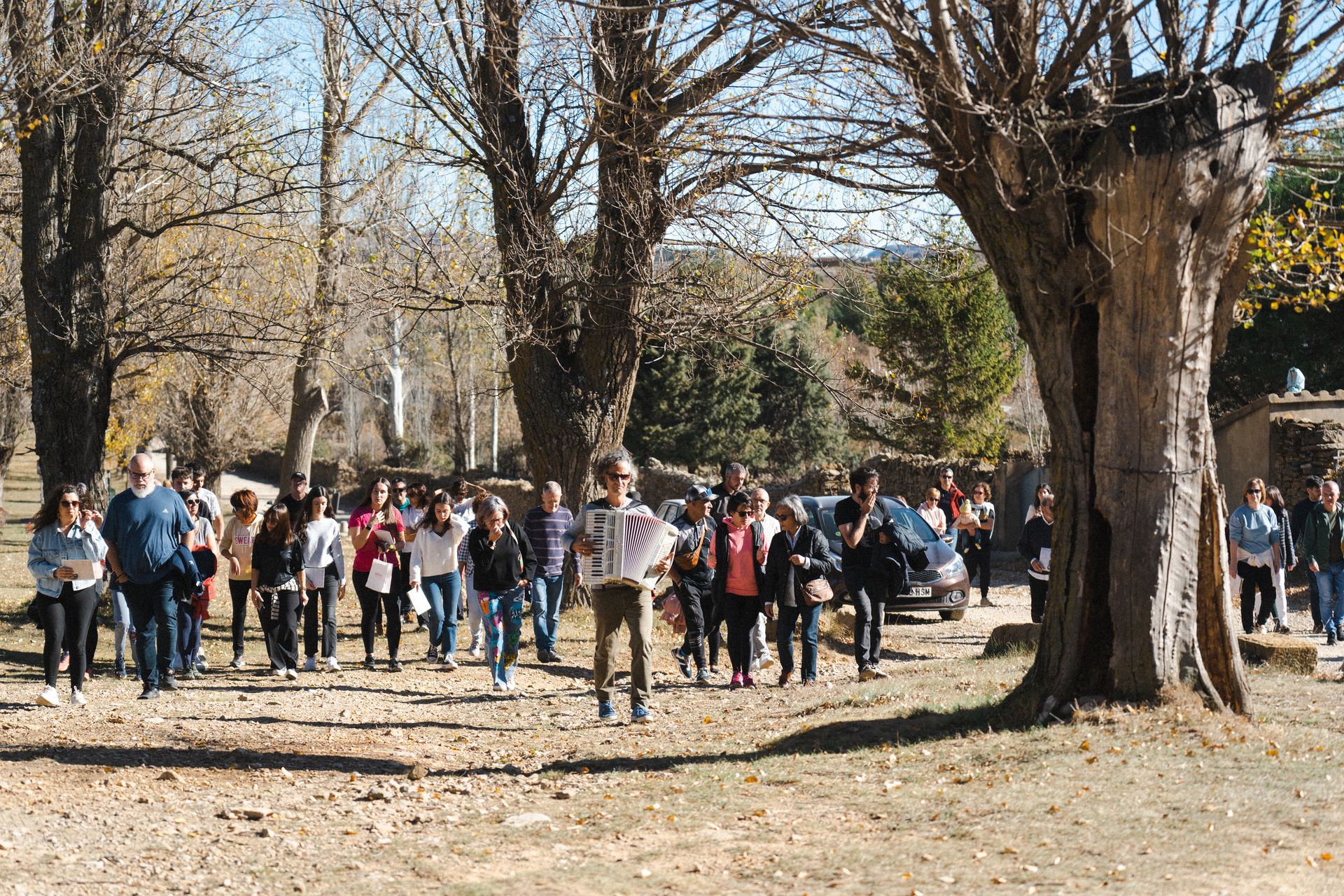
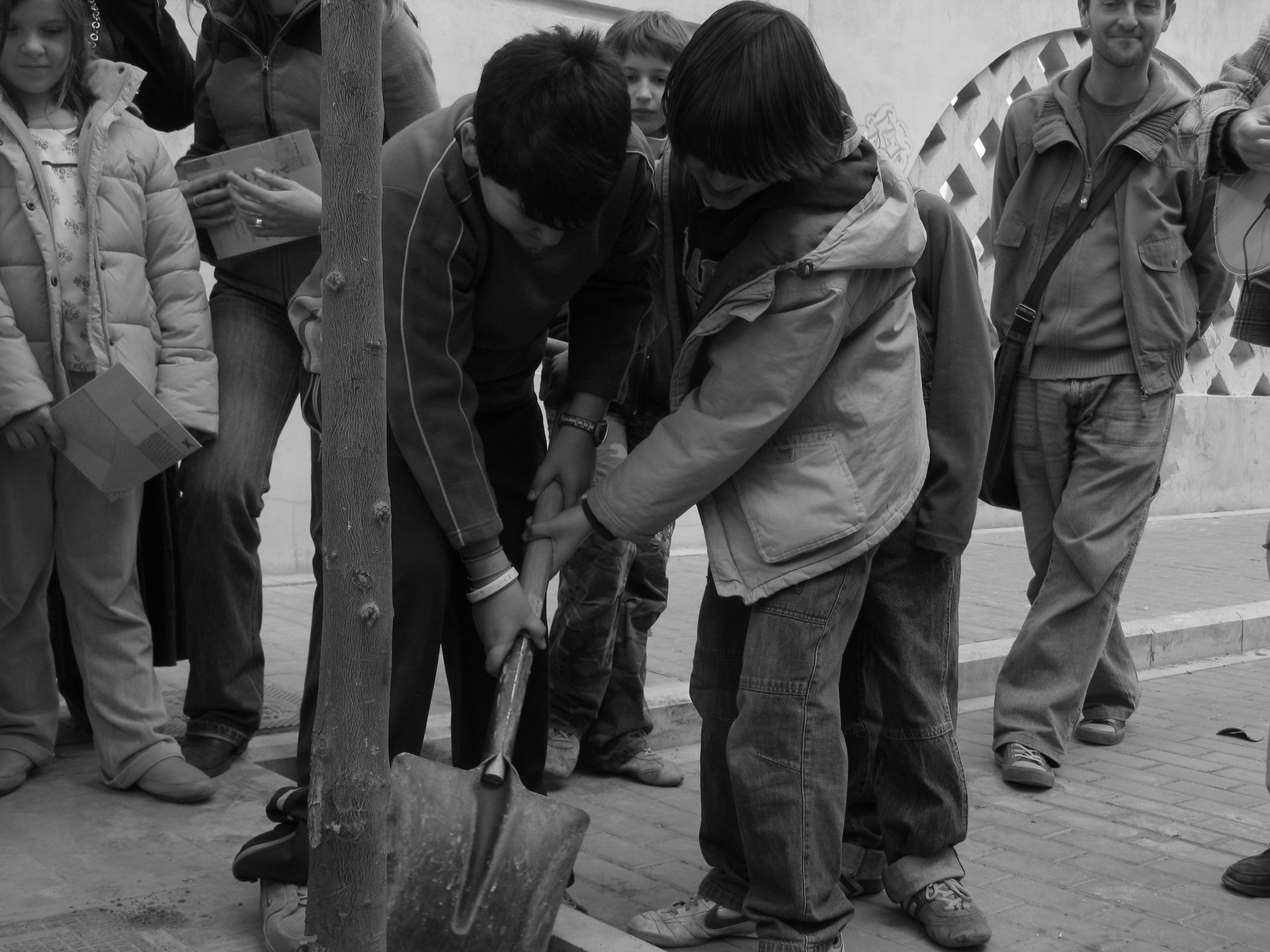
Museum of Time has its origins in the novel Momo (1973) by Michael Ende, which reflects on the concept of time and its use in modern societies. With the aim of protecting the past time, people who participate in this project will walk through their neighborhood or town to protect their memories. Memories that will be kept in a box and will be buried, in a public ritual accompanied by music.
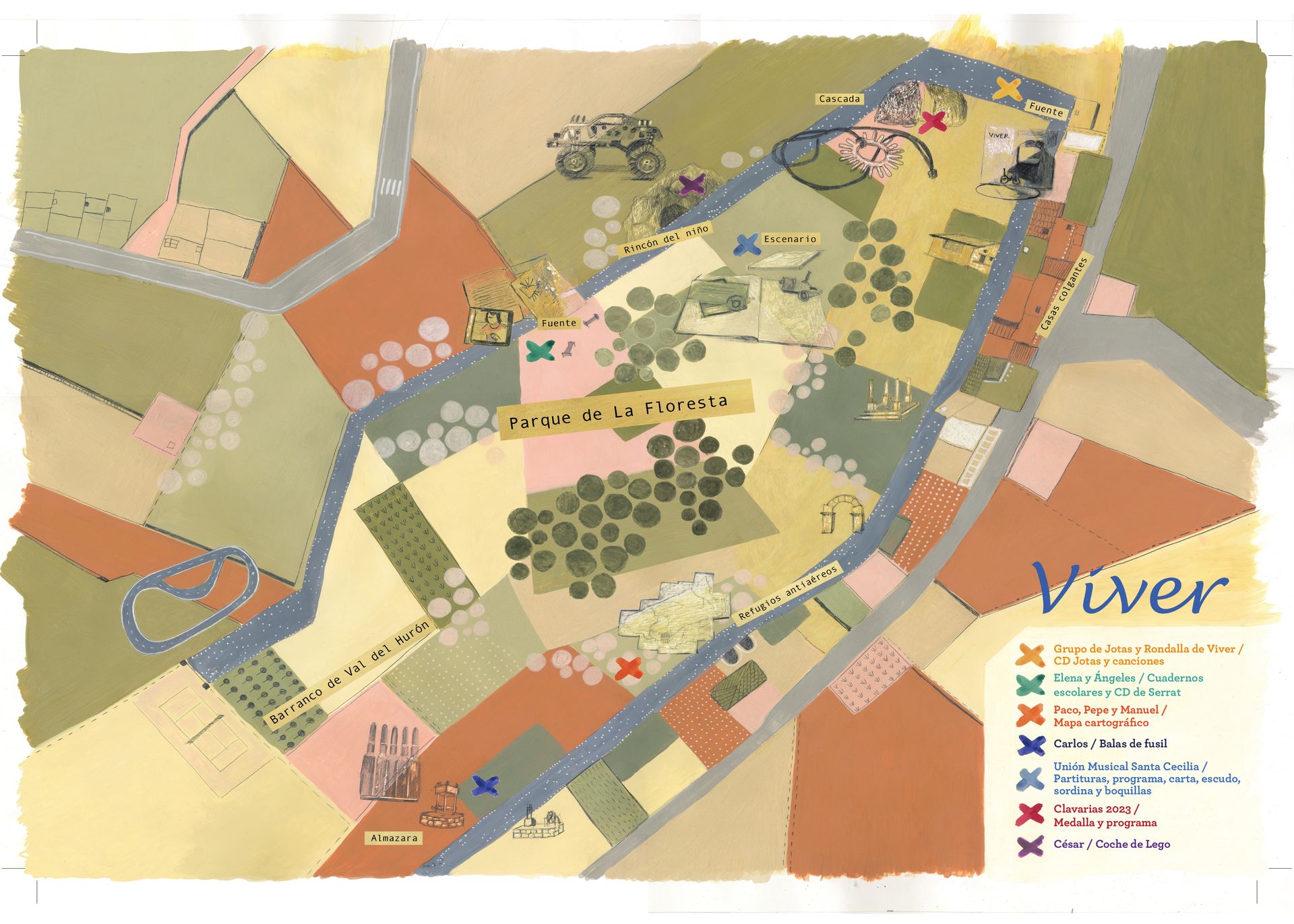
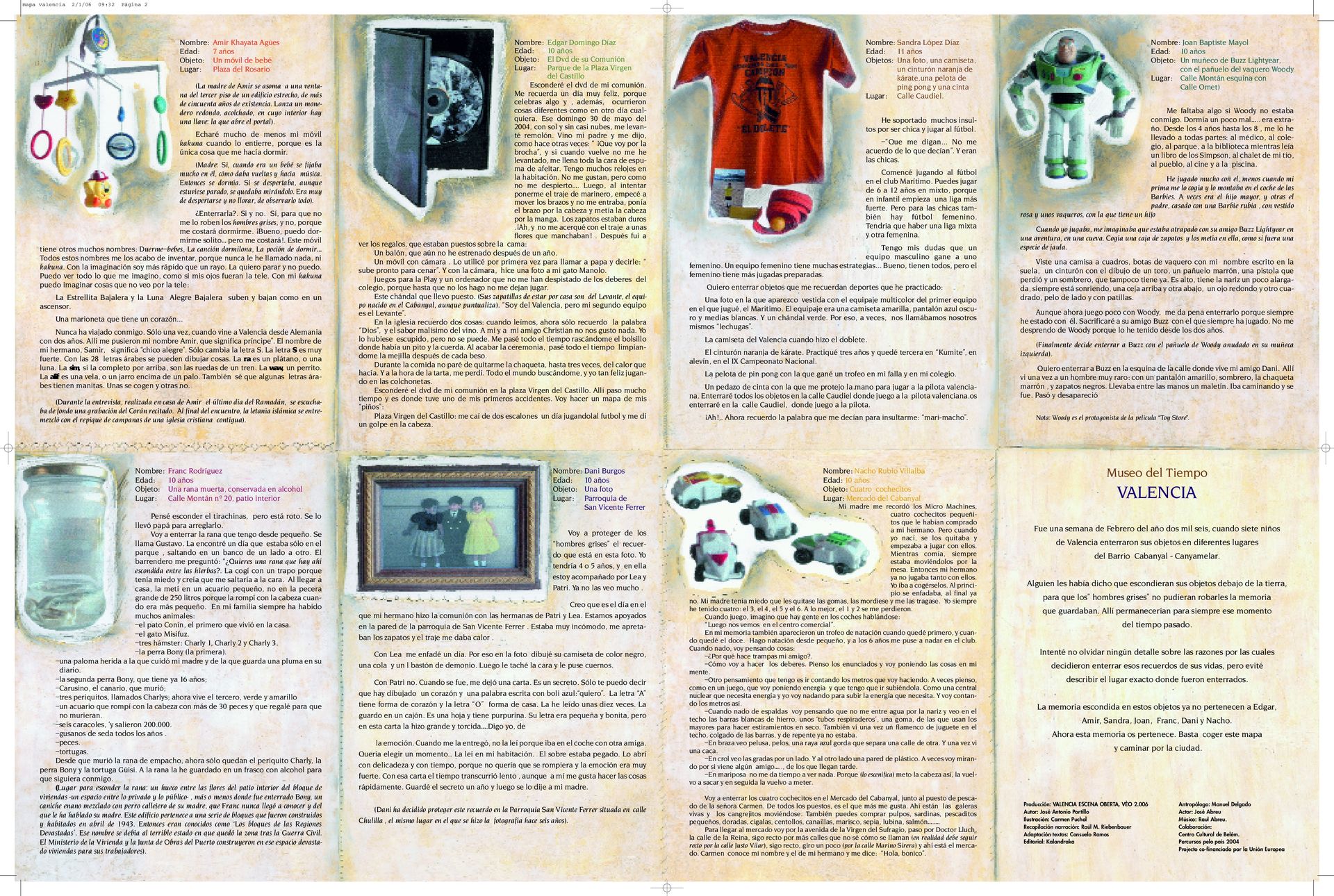
Memorias que dejarán un rastro: un mapa y siete códigos QR. En el mapa se señalarán los lugares de los enterramientos, con una breve reseña de los objetos enterrados, para que otras personas puedan recorrer el mismo camino, hacer el mismo viaje de la memoria, convirtiendo este proyecto en un museo colectivo. Junto a cada objeto enterrado se ubicará un código QR que contiene la historia del objeto y que podemos conocer utilizando un lector de código QR:
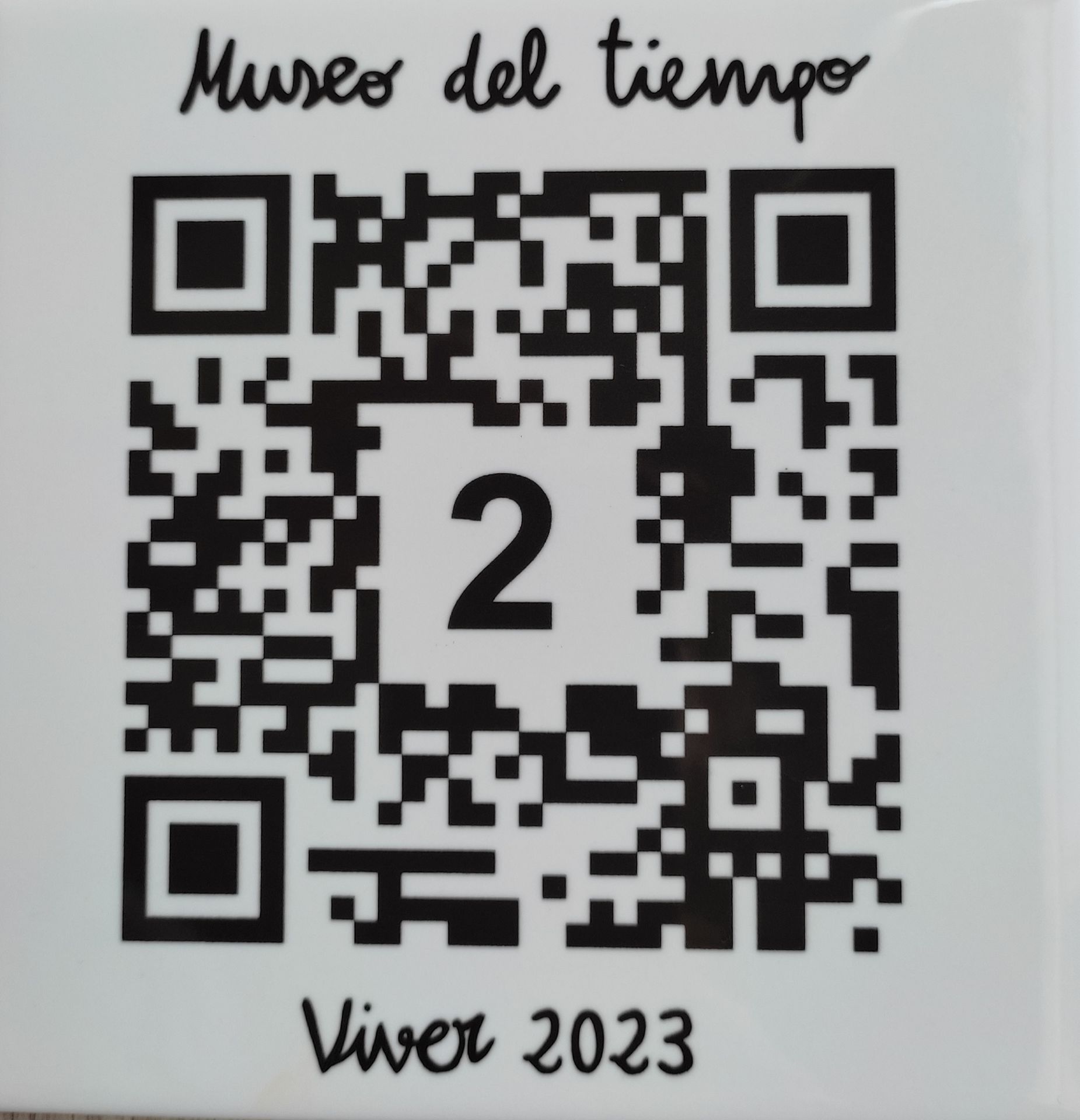
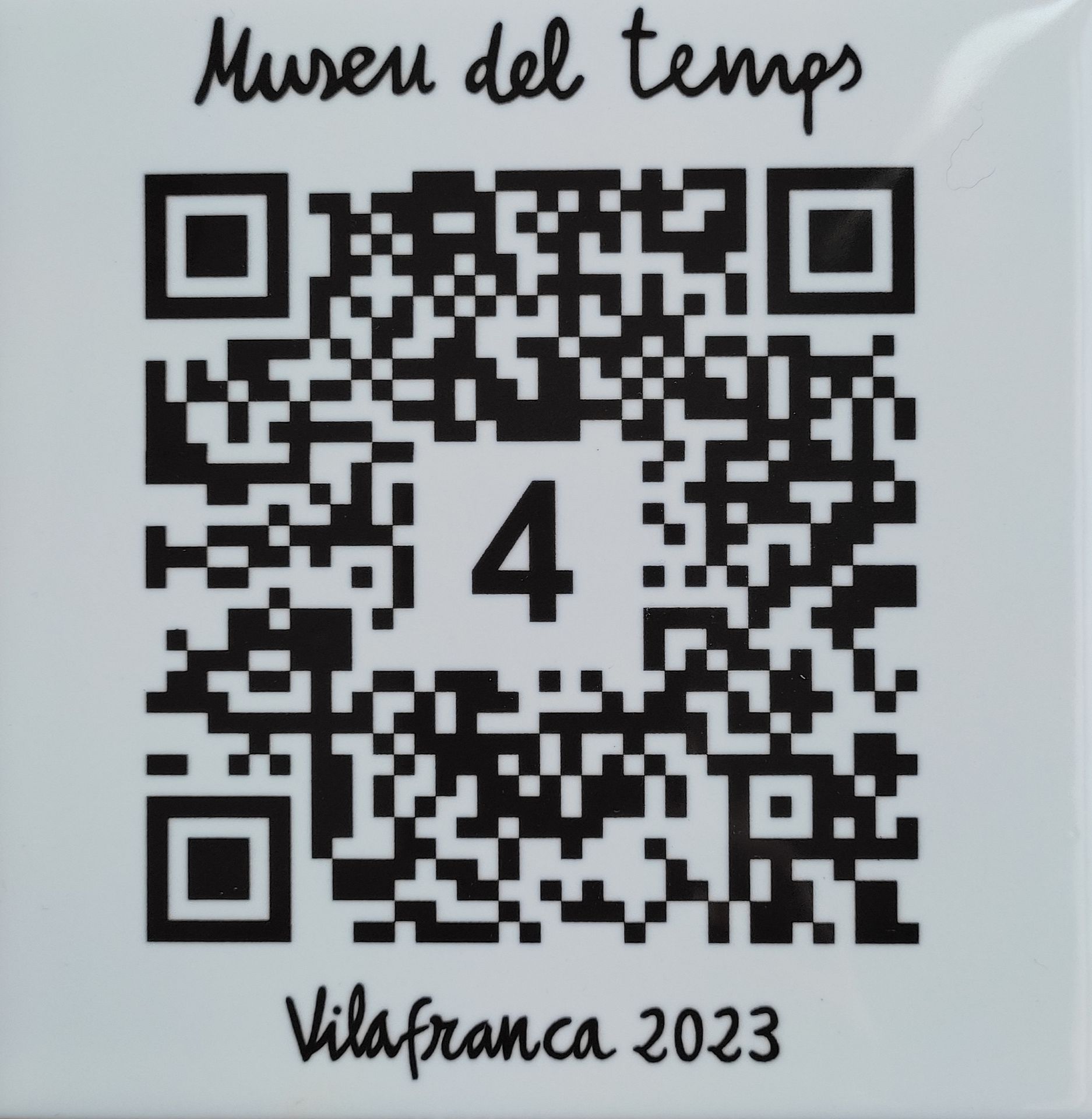
El Museo del Tiempo es una alternativa al museo tradicional que revela voces, lugares y experiencias colectivas a través de las personas que habitan las ciudades y las construyen. Ciudadanos y ciudadanas que hasta el momentohabían estado alejados de la crónica oficial y las grandes narrativas y cuya memoria nos pertenece ahora a todos.
Museum of Time is an artistic mediation project and a proposal for participation and dialogue that has made the leap to other disciplines, such as literature or performing arts.
Realizado por primera vez en Evora y Viseu (Portugal) en 2004, el Museo del Tiempo se ha llevado a cabo en varias ciudades españolas: Alcalá de Henares (festival Teatralia), Valencia (festival VEO), Benicarló (MUCBE), Benicàssim, Vilafranca y Viver (Castellón).
En 2024 regresó a Portugal, formando parte de la programación para la conmemoración del centenario de la ciudad de Portimão.
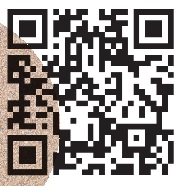
En 2025 el proyecto se realizó para la Mostra Igualada (Barcelona). Utilizando un lector de código QR podemos conocer los testimonios y objetos de las nueve personas que participaron en el Museu del Temps de Igualada:
"
Artistic team:
Creation and direction: Jose Antonio Portillo
Sound creation and music: Julián González
Map ilustration: Carmen Puchol
Compilation and composition of texts: Nuria Aparici
Executive production: Unnica Arts
Fotography and communication: Antonio Portillo y David Cárcel
Printing: Benigraphic
QR code: Gsol